Custom Notebook Interior Design: A Roadmap for Stationery Brands
Choosing the right custom notebook page layout—whether lined, dotted, grid, blank, or a mixed interior—depends on your target audience's specific use case, ranging from structured writing and bullet journaling to technical drafting and creative sketching. Matching the correct notebook interior designs with high-quality paper and binding ensures a premium end-user experience that elevates your brand.
What are the Main Types of Custom Notebook Page Layouts?
Selecting the right layout shapes how users interact with your notebooks. Here is a breakdown of the five primary notebook interior designs used by leading stationery brands:
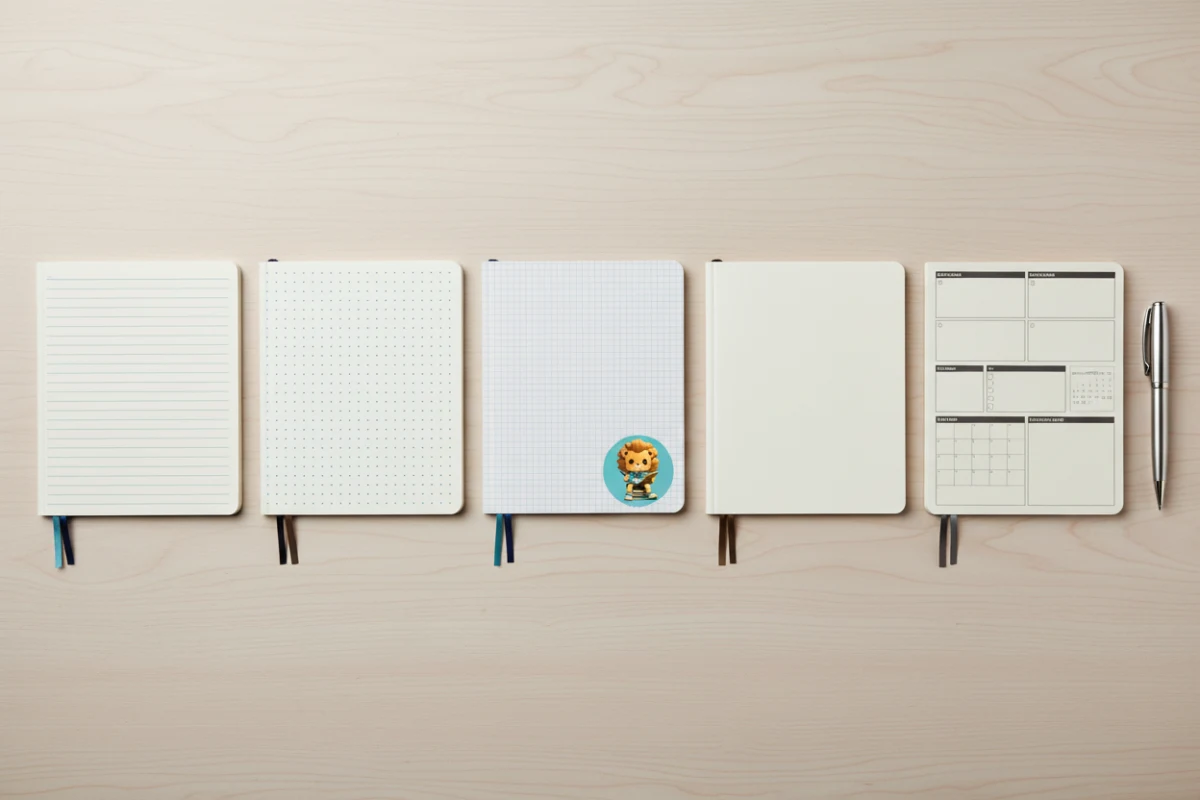
- Lined (Ruled) Layouts: The classic choice featuring horizontal lines, ideal for linear writing, diaries, and academic note-taking.
- Dotted Grid Layouts: A modern favorite featuring a subtle matrix of dots, offering a balance of structure and freedom for bullet journaling.
- Graph & Grid Layouts: Horizontal and vertical intersecting lines that form equal squares, perfect for mathematical modeling, engineering, and charting.
- Blank Layouts: Unlined pages that offer absolute creative freedom, preferred by artists, designers, and visual thinkers for sketching.
- Mixed & Functional Layouts: Hybrid interiors combining different page layouts (such as a lined page on the left and a blank page on the right) or customized planner templates.
 Dotted layouts offer subtle guidance for bullet journaling, while lined pages provide structured support for linear writing.
Dotted vs Lined Notebook: Which Layout is Best for Your Brand?
When choosing between a dotted vs lined notebook for your product line, the decision comes down to the user's need for structure versus creative flexibility.
- Lined notebooks provide rigid, familiar guidance. They are the standard for creative writing, professional meetings, and journaling. Line spacing can be customized, typically ranging from college-ruled (7.1mm) to wide-ruled (8.7mm).
- Dotted notebooks have surged in popularity due to the bullet journaling movement. The dots (usually spaced 5mm apart) provide an unobtrusive guide for both writing and drawing. They allow users to create customized journal page templates, tracker charts, and hand-lettering layouts without dark lines interfering with their designs.
How Do Graph, Grid, and Blank Notebook Paper Styles Serve Niche Audiences?
Different notebook paper styles target distinct user groups and professional applications:
- Graph and Grid Layouts: These layouts are highly valued by architects, engineers, programmers, and students in STEM fields. They make it easy to draw scale diagrams, plot graphs, and organize data columns.
- Blank Interiors: Unlined paper is the ultimate medium for sketchbooks and creative diaries. It allows for unobstructed sketching, mind-mapping, and mixed-media art. When manufacturing blank notebooks, using thicker, high-opacity paper is critical to prevent ink bleed-through.
 Mixed layouts and custom journal page templates support complex, multi-disciplinary work in a single journal.
Why Use Mixed and Custom Journal Page Templates?
If your brand is targeting specialized workflows, simple lined or dotted pages might not be enough. Integrating custom journal page templates and mixed layouts creates a highly functional product:
- Split Interiors: Designing a notebook with a dot grid layout on one side and a lined layout on the other supports hybrid tasks like sketching a prototype on the left and writing technical specifications on the right.
- Structured Planners: Combining monthly calendars, habit trackers, and weekly planner pages with standard lined notes provides users with a comprehensive time-management tool.
- Guided Journals: Incorporating written prompts, goal-setting fields, and mindfulness exercises turns a basic blank book into a high-value personal development tool.
Technical Comparison of Notebook Page Layouts
To help product development teams choose the best interior for their target market, this table compares the primary layout styles:
| Page Layout | Visual Prominence of Grid | Best Use Case | Ideal Target Audience |
|---|---|---|---|
| Lined (Ruled) | High | Linear writing, journaling, dictation | Students, office workers, creative writers |
| Dotted Grid | Low | Bullet journaling, habit tracking, layout design | Creatives, planners, bullet journal enthusiasts |
| Graph / Grid | High | Drafting, scale drawing, data logging | Engineers, architects, designers, scientists |
| Blank | None | Sketching, mind-mapping, free-form drawing | Artists, illustrators, visual thinkers |
| Mixed / Hybrid | Variable | Multi-disciplinary projects, specialized planning | Professionals, niche hobbyists, managers |
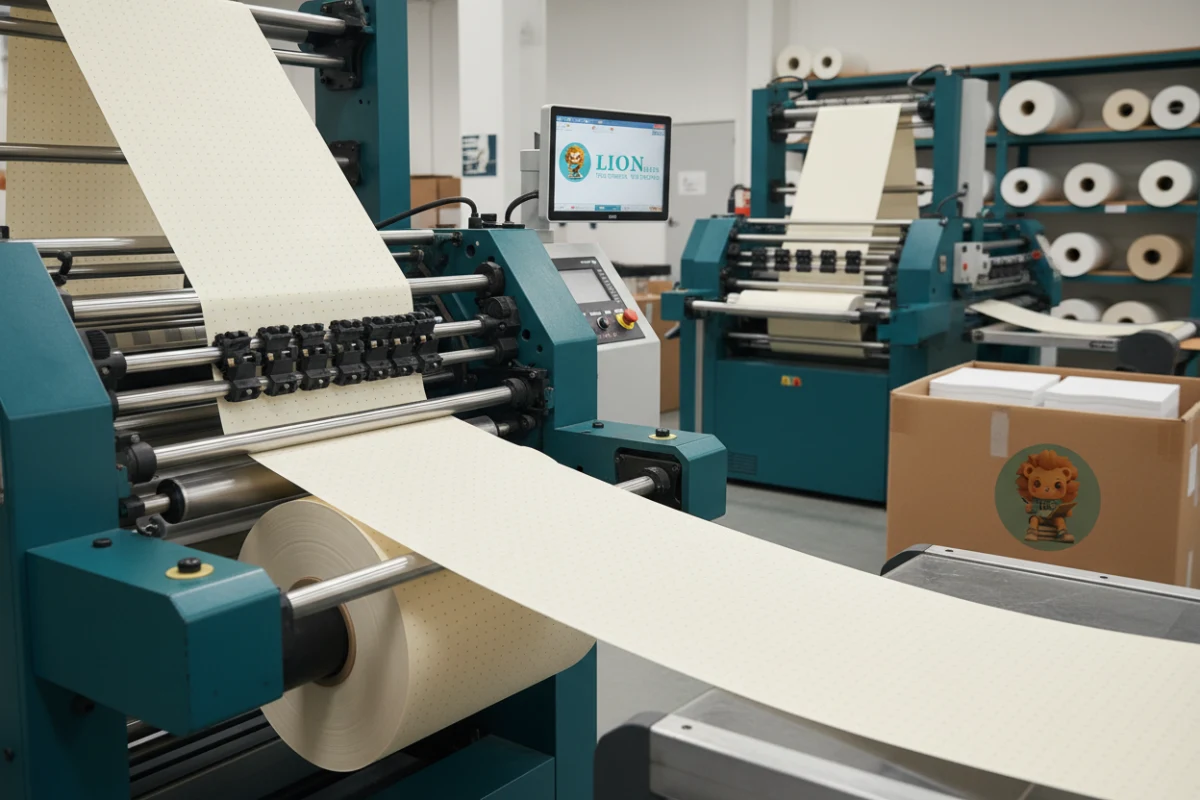 Professional printing and alignment ensure that custom notebook paper styles meet strict quality standards for retail markets.
How to Choose Paper Weight, Ink Opacity, and Binding for Custom Layouts?
To maximize the utility of your custom notebook page layouts, the underlying paper and construction must support the expected use case:
- Paper Weight (GSM): For general lined writing, 70-80 GSM paper works well. For dotted journals or blank sketchbooks where heavy ink or markers might be used, opt for 100-120 GSM or thicker to prevent ghosting and bleed-through.
- Paper Color: Cream or ivory paper is often preferred for long writing sessions to reduce eye strain, while bright white paper works best for colorful sketching and art-focused notebooks.
- Binding Synergy: Dotted, grid, and blank layouts benefit significantly from lay-flat binding styles, such as thread sewing (perfect binding) or wire-bound/spiral formats. This ensures that drawings and charts can seamlessly span across two-page spreads.
Are you ready to design your next successful stationery collection? Get layout recommendations.