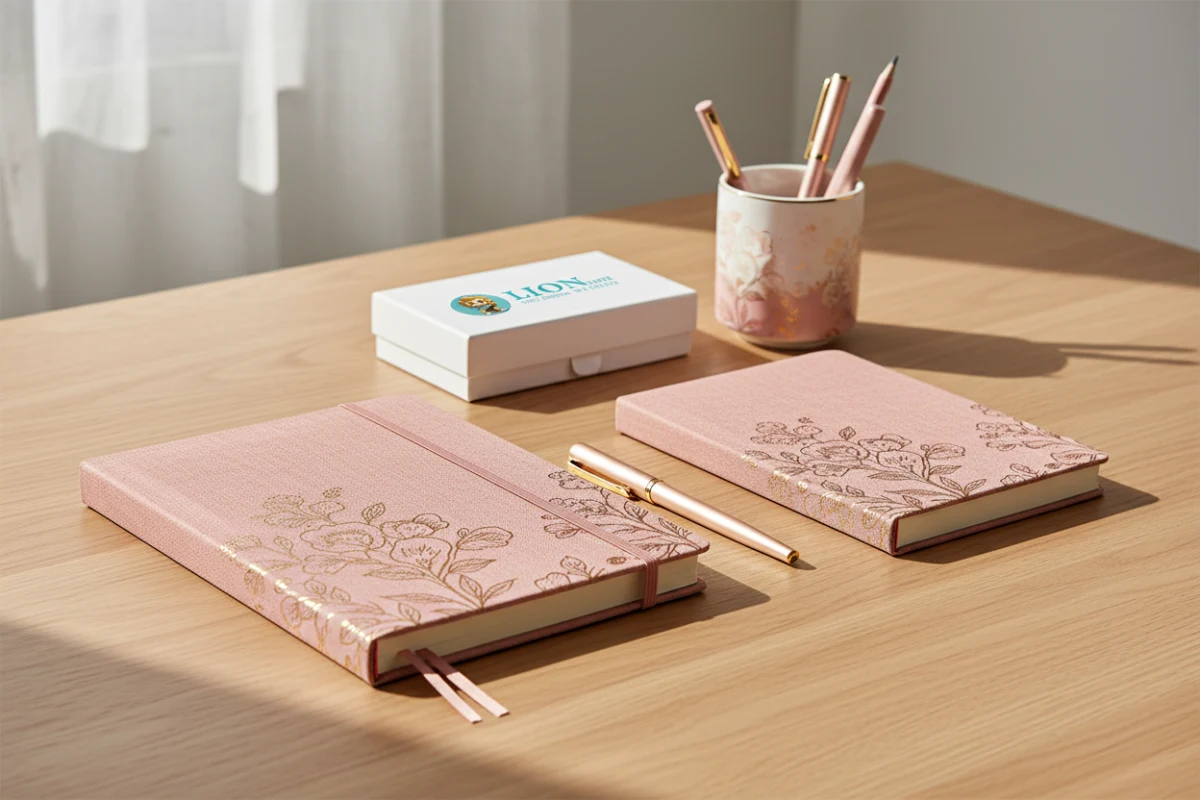
Why Modern Retailers Are Shifting to Theme-Based Stationery Collection Development
The global consumer landscape is witnessing a profound transformation in how paper goods and desk essentials are marketed and consumed. Today, consumers view paper items as extensions of their personality, style, and mental wellness. This shift has forced retail buyers, brand managers, and product creators to rethink their sourcing strategies.
Instead of launching disconnected individual items, successful brands are focusing on strategic stationery collection development. By bundling complementary products into cohesive themes, retailers can capture higher market share, elevate shelf aesthetics, and increase average order values. Partnering with an end-to-end provider like Lion Paper Products allows brands to transition from single product manufacturing to launching a fully integrated, market-ready, and sustainable stationery product range. When launching a new range, professional stationery collection development ensures that all your lifestyle products speak the same visual language. Through alignment of aesthetics, functionality, and manufacturing readiness, structured stationery collection development has become the cornerstone of modern paper goods retailing.
The Retail Shift from Single Products to Lifestyle Stationery
Historically, the retail stationery sector operated on a replenishment model. Consumers bought a notebook because they ran out of writing space. This utility-driven mindset treated office products as commodities, forcing brands to compete almost entirely on price point.
In contrast, the contemporary market is driven by lifestyle stationery. In this new era, journaling, planning, and desk organization are celebrated as rituals of self-care and creative expression. Customers look for products that tell a story, harmonize with their home office decor, and reflect sustainable values.
For B2B buyers, selling isolated items is no longer enough. A customer might buy a single notebook, but without a compelling visual story, they have little reason to return. Through professional stationery collection development, retail brands can move past transactional purchasing and build lasting emotional connections with their target audience, transforming simple utilities into lifestyle assets. This transition from standalone inventory to planned collections ensures higher customer retention and supports premium pricing strategies. This shift explains why modern brands view stationery collection development as an essential brand-building strategy rather than a simple purchasing workflow.
Understanding Theme-Based Stationery Collection Development
What makes theme-based stationery collection development so effective? At its core, it is a curated group of products designed to share a cohesive aesthetic, conceptual narrative, and functional purpose. A well-designed collection goes beyond printing the same pattern on multiple surfaces; it integrates texture, color harmony, material selection, and complementary usage patterns into a unified sensory experience.
When executing stationery collection development, product development teams usually focus on several key pillars:
- Conceptual Narrative: This is the underlying story of the collection, such as an organic botanical theme targeting wellness-focused journalers, or a sleek, minimalist industrial theme for professionals.
- Harmonized Color Palettes: A cohesive color scheme acts as the visual glue. Rather than relying on a single color, a professional theme uses a primary palette supported by complementary accents.
- Material and Texture Continuity: Tactile consistency, like matching a matte cover finish with a soft-touch pen coating, elevates the perceived value.
By ensuring that every piece of the stationery product range communicates the same brand message, companies can create a distinctive presence that cuts through market noise. This deliberate coordination is why successful stationery collection development relies on close collaboration between design and manufacturing teams.
Architecting the Stationery Product Range: Balancing Hero Items and Accessories
An effective collection is not a random assortment of beautiful items; it is a structured product ecosystem. When embarking on stationery collection development, it is crucial to establish a balanced product hierarchy. This ensures the collection meets diverse customer needs, fits different price points, and maximizes cross-selling opportunities across the entire stationery product range. Without structured stationery collection development, an assortment can easily feel fragmented.
The Hero Products (The Anchors)
Every great collection is anchored by high-value "Hero" products. These are typically complex, feature-rich items that carry the highest design details and command premium retail pricing. Classic hero items include hardcover wire-bound planners with index tabs, and premium PU leather journals with gilded edges and custom back pockets. Hero products capture initial customer interest and define the premium tier of your stationery collection development process.
Supporting Core Items
These are the high-frequency use products that complement the hero items. They offer an accessible entry point for budget-conscious consumers while encouraging bulk purchases. Typical core items include eco-friendly softcover notebooks, weekly tear-off desk pads, and functional file folders.
The Desk Accessories Collection and Peripherals
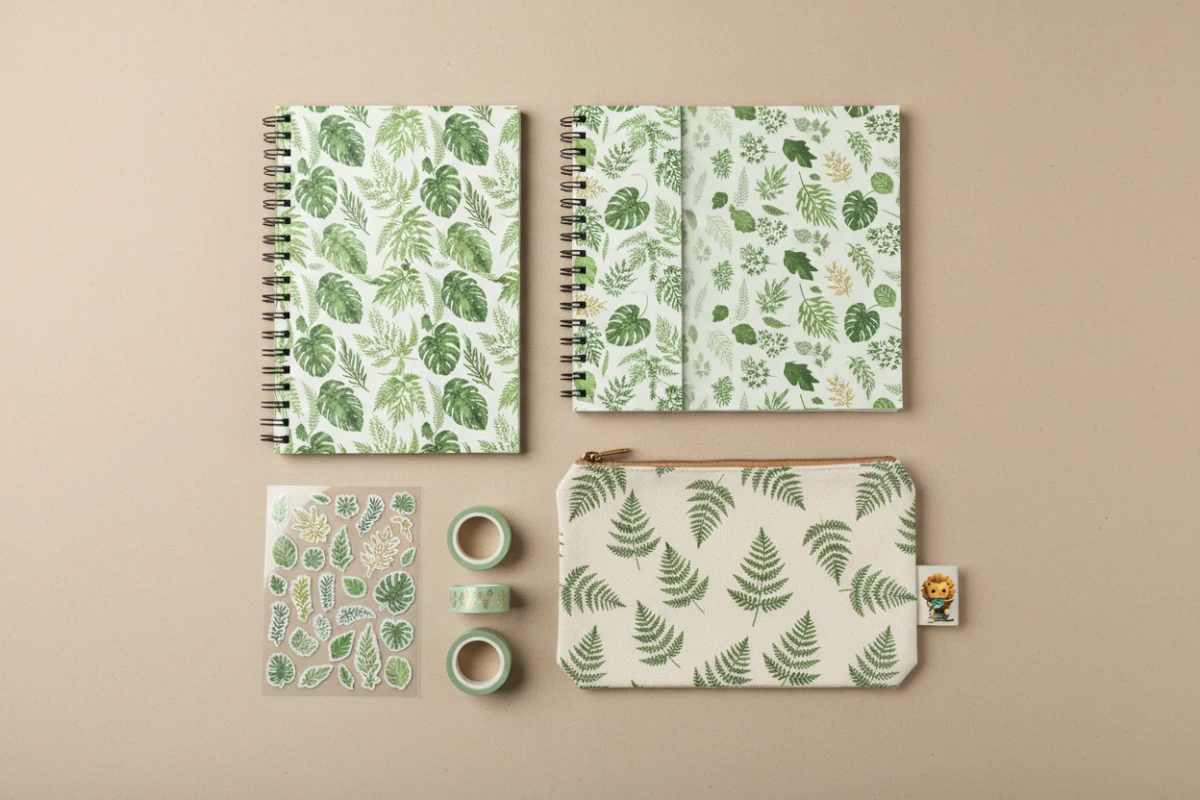
To provide consumers with a complete stationery set, brands must incorporate minor supporting items. Integrating a desk accessories collection into the development phase ensures that customers can build a cohesive workspace. Accessories include aesthetic washi tapes, sticker sheets, fine-writing pens, bookmarks, clips, and small organizer pouches.
By offering a well-balanced mix of premium journals, supporting paper pads, and matching items from a desk accessories collection, retailers provide a comprehensive solution that makes it effortless for consumers to buy multiple items at once.
Maximizing Shelf Impact and Basket Size with a Complete Stationery Set
From a pure merchandising perspective, theme-based stationery collection development is one of the most effective tools for boosting retail performance metrics.
Redefining Shelf Impact
In brick-and-mortar stores, shelf space is highly competitive. A single notebook can easily get lost among rows of identical competitor products. However, when an array of coordinated planners, matching folders, complementary sticky notes, and themed writing accessories are displayed together, they create a powerful visual destination. This massive visual impact draws customers in, stops foot traffic, and transforms a display shelf into an immersive brand experience. In digital spaces, this translates into curated collection pages and coordinated social media imagery that drive viral sharing. Successful stationery collection development leverages this visual power to capture consumer attention.
Boosting Average Transaction Value (ATV)
The psychology of purchasing a complete stationery set relies on the consumer's desire for aesthetic harmony. When a shopper decides to purchase a themed journal, they are highly susceptible to purchasing the matching pen, coordinating sticky notes, and the matching folder to keep their desk looking organized. This natural cross-selling mechanism drastically increases the number of units per transaction (UPT) and raises the overall basket size without requiring additional customer acquisition costs. Therefore, planned stationery collection development directly drives profitability.
Elevating Giftability
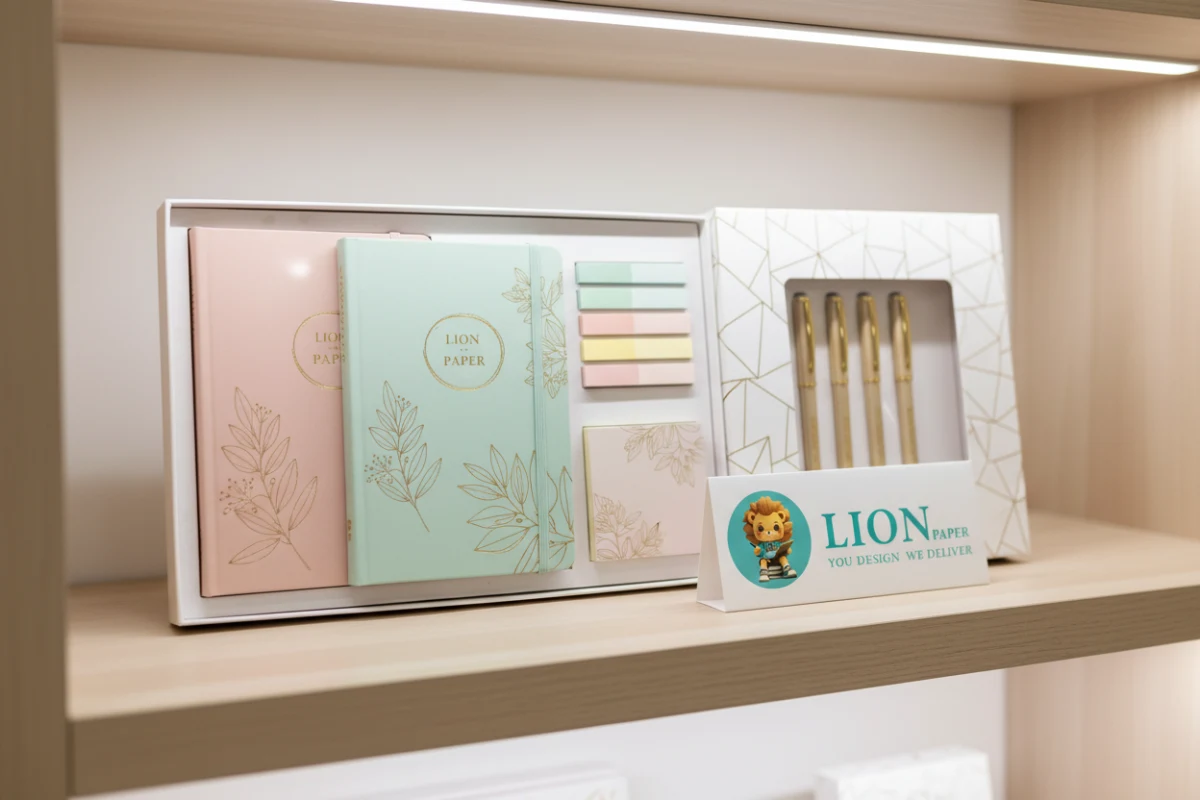
Coordinated collections naturally lend themselves to gifting. By packaging themed items together inside an exquisite gift box, retailers can capture premium holiday, corporate, and lifestyle gifting sales. Gift buyers are often willing to pay a premium for a pre-curated complete stationery set that eliminates the hassle of sourcing and wrapping individual presents. This emphasizes why stationery collection development must consider packaging as a core design element from the very beginning.
The Step-by-Step Stationery Collection Development Framework
To successfully bring a cohesive stationery range to market, retail buyers and brands should adopt a structured development framework. This step-by-step process aligns creative vision with manufacturing realities, ensuring a smooth transition from concept to launch.
[Concept & Theme] ➔ [Product Range Design] ➔ [Color & Material System] ➔ [Packaging & Readying] ➔ [Retail Launch]
- Phase 1: Conceptualization and Theme Mapping: The process begins by identifying the core demographic and the lifestyle stationery theme. Designers and brand managers compile mood boards, research seasonal fashion and interior design trends, and map out the emotional narrative. Key questions at this stage of stationery collection development include: What setting is this for? What emotions should the theme evoke?
- Phase 2: Defining the Product Range: Once the theme is established, the product mix is curated. Brands select which items from their primary categories (such as eco paper products, notebooks, planners, or bags) will make up the collection. This phase requires strict attention to the target retail price architecture, ensuring there are entry-level items, mid-tier core products, and high-value hero items.
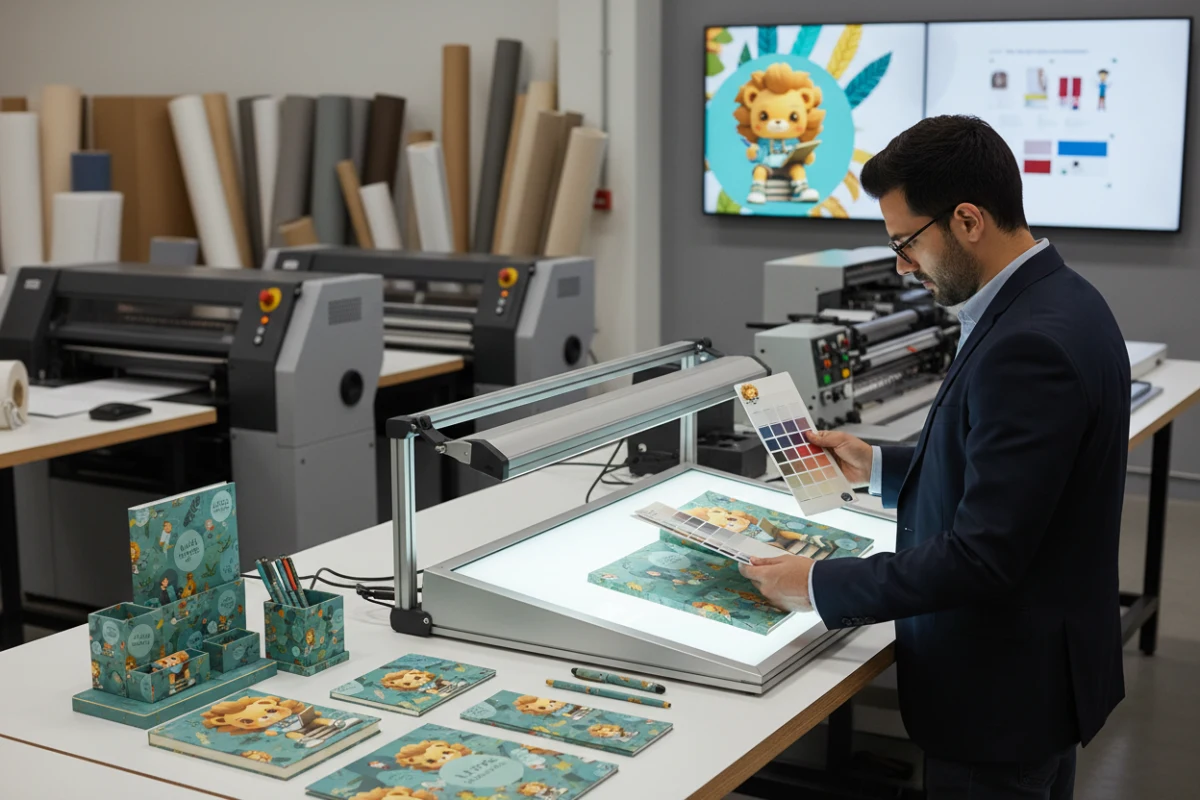
- Phase 3: Establishing the Color and Material System: This critical step defines the color palette (using Pantone standards) and maps out the material substrates. Designers determine where to use FSC-certified uncoated paper, recycled paperboards, canvas, PU leathers, or specialty foils. Matching colors across different materials is highly challenging, making early technical coordination vital in stationery collection development.
- Phase 4: Packaging and Retail-Ready Design: Packaging should never be an afterthought. Cohesive packaging—utilizing matching belly bands, customized gift boxes, coordinated hangtags, and compliant barcode labeling—protects the products during transit and enhances the final retail display. Providing retail-ready packaging (RRP) options also makes it easier for store staff to stock and showcase the collection.
- Phase 5: Production and Coordinated Retail Launch: With all specifications locked in, manufacturing begins. For seasonal collections—such as Back-to-School (BTS) or New Year planning windows—strict lead time management is critical. Aligning production schedules ensures that all components of the collection arrive at the distribution centers simultaneously for a unified market launch.
By following this disciplined framework, brands can execute stationery collection development that satisfies both creative aspiration and retail performance targets.
Navigating Supply Chain Complexity in Multi-Category Manufacturing
While the commercial benefits of theme-based stationery collection development are clear, execution can introduce significant supply chain challenges. Producing a diverse collection requires working with different manufacturing processes and materials.
For example, a complete lifestyle stationery collection might include a hardbound book (requiring specialized bookbinding), a set of PET sticky tabs (requiring plastic extrusion and specialty adhesives), and a printed canvas pencil pouch (requiring textile printing and sewing).
If a brand attempts to manage this process by sourcing each item from a separate vendor, they often face severe supply chain bottlenecks:
- Color Inconsistency: A pink tone printed on uncoated paper will look entirely different when printed on canvas, plastic, or a metal pen clip. Managing different color calibrations across multiple independent factories is incredibly difficult.
- Fragmented Timelines: If the notebook factory completes production on time, but the accessory supplier experiences a two-month delay, the entire collection's launch is compromised. Retailers cannot display a partial, disjointed collection on their shelves.
- Compounded Shipping Costs: Shipping small batches of items from multiple separate factories around the globe increases logistics costs, custom clearance fees, and carbon footprints, undermining the brand's profitability.
To overcome these hurdles, forward-thinking brands partner with integrated supply chain partners capable of handling multi-category stationery collection development under a single, unified quality management system.
How Lion Paper Simplifies Your Stationery Collection Development
At Lion Paper Products (Jiaxing) Co., Ltd., we act as the vital supply chain bridge that transforms your creative sketches into a synchronized, market-ready stationery product range. Established in 2015, we are not just a traditional manufacturer; we are a comprehensive, end-to-end supply-chain solutions partner for customized paper goods and creative products. We assist global brands at every step of stationery collection development, from concept optimization to final global delivery.
1. Dual-Site Synergy: Design in China, Scale in Cambodia
Our unique operational model leverages the best of two manufacturing hubs:
- Our 3,000-Square-Meter Jiaxing Facility (Zhejiang, China) serves as our innovation and design center. This is where our engineering, design, and prototyping teams collaborate directly with your brand. We specialize in rapid sampling and structural conceptualization, turning your design files into physically accurate prototypes within days. This fast-sampling capability dramatically shortens your collection's development lifecycle.
- Our 10,000-Square-Meter Cambodia Facility is built for high-volume, cost-efficient, and tariff-resilient mass production. Equipped with automated production lines and standardized SOPs, our Cambodian factory supports stable delivery schedules, making Lion Paper a preferred partner for large-scale North American, European, and Australian retailers. We produce over 5 million notebooks annually, maintaining consistent, high-yield production across massive orders.
2. Comprehensive Category Integration
Rather than forcing you to coordinate with multiple vendors, Lion Paper integrates production across eight core categories. We seamlessly produce and package your eco-friendly paper items, custom journals, daily planners, desk accessories, organizer bags, and decorative packaging under one roof. This centralized control ensures flawless color matching across paper, fabrics, and plastics, maintaining a cohesive aesthetic for your entire lifestyle line. This makes the execution of your stationery collection development incredibly smooth.
3. Rigorous Quality and Compliance
To protect your brand reputation and ensure seamless entry into major global retail chains, our operations comply with strict international standards. We hold robust certifications and compliance audits, including ISO 9001, FSC, SMETA, WCA, GSV, FAMA, and CPSIA. From raw material traceability to safe chemistry in printing inks, we ensure every item in your collection is fully compliant with the regulatory demands of your target markets.
4. Eco-Conscious and Sustainable Development
Sustainability is no longer an optional luxury—it is a baseline consumer expectation. Lion Paper is deeply committed to supporting your environmental goals. We offer comprehensive sustainable options, including FSC-certified traceable papers, recycled paperboards, post-consumer recycled fabrics, soy-based low-impact printing inks, and plastic-free packaging designs. We help you deliver beautiful paper goods that appeal to eco-conscious consumers while minimizing your brand's carbon footprint. Through sustainable stationery collection development, we turn green business goals into measurable market success.
Elevate Your Retail Strategy with Cohesive Collections
In a highly competitive retail landscape, capturing consumer attention requires more than offering great standalone products—it requires building an emotional narrative and a complete, visually cohesive workspace ecosystem. Investing in professional stationery collection development is the single most effective way to elevate your brand presence, delight your customers, and maximize your retail profitability.
At Lion Paper, we are ready to serve as your end-to-end supply chain partner. From the first sketch in our design studio to the final shipment from our automated factories, we ensure your next stationery line is delivered on time, within budget, and to the highest standards of international quality and compliance.
Are you ready to elevate your product line with a custom-developed, high-impact stationery collection? Let our experienced team of designers, engineers, and production specialists bring your vision to life. Build Your Complete Stationery Collection With Our Team today to schedule a consultation, request customized samples, and start building your brand’s next big success story.