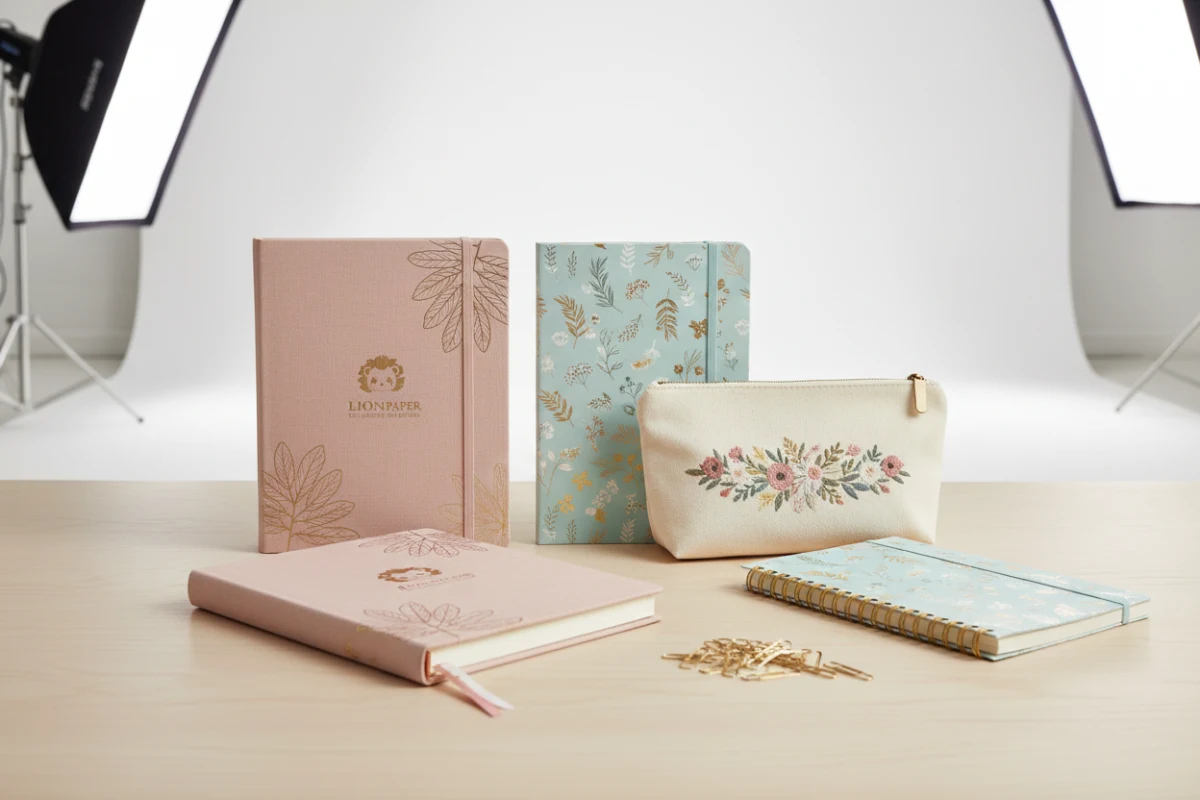
Why Retail Brands Are Shifting to a Theme Based Stationery Collection
In the competitive landscape of modern retail consumer goods, the stationery sector is undergoing a profound structural evolution. Historically, stationery merchandising was purely transactional. Retailers grouped items by functional categories—such as standard notebooks, pens, paper clips, or folders—and stacked them on shelves based strictly on utility. Today, this single-product sales model is rapidly losing ground to a strategic, lifestyle-oriented approach. Globally recognized brands and independent retailers are pivoting their product development strategies toward cohesive product curation, building their portfolios around a unified theme based stationery collection.
This paradigm shift is not merely an aesthetic choice; it is a calculated response to evolving consumer behaviors, visual merchandising opportunities, and multi-channel marketing demands. Modern consumers treat notebooks, planners, pencil cases, and desk accessories as extensions of their personal identity, fashion preferences, and workspace aesthetics. For retail buyers and product development managers, understanding this transition is key to capturing market share, increasing average order value (AOV), and building lasting brand equity. Let us examine the mechanics of this shift and explore why unified, themed collections have become the industry standard for modern retail brands.
The Shift from Single-Product Sales to Cohesive Stationery Collections
For decades, stationery retail relied on a high-volume, low-margin approach to individual items. Retailers assumed that consumers shopping for a notebook were only interested in that single product. However, the rise of lifestyle journaling, creative planning, and curated workspace aesthetics has fundamentally changed how paper goods are bought and sold. Today, consumers seek a complete visual ecosystem for their desks and daily organization.
This evolution is deeply connected to broader stationery trends that favor curation over commodity. When a brand presents a scattered assortment of unrelated products, the consumer evaluates each item in isolation, often comparing it solely on price, which commoditizes the category. Conversely, when items are presented as part of an integrated collection, the consumer sees a curated lifestyle. A notebook is no longer just paper; it is part of a creative system that includes a matching pencil pouch, a coordinated weekly planner, and themed sticker accessories. By moving away from standalone product development, retail brands can target specific emotional drivers and lifestyle choices, significantly boosting multi-item transactions.
What is a Theme-Based Stationery Collection?
A theme based stationery collection is a strategically curated range of products designed to tell a single, cohesive narrative across multiple categories. Rather than grouping products by physical type, a themed collection links diverse categories—such as eco paper products, custom notebooks, planner systems, storage bags, and lifestyle accessories—under a unified visual, emotional, or functional concept.
A successful theme-based system typically encompasses three critical elements: a central narrative or concept, cross-category integration, and intentional product interoperability. This cross-category integration spans various items, including thread-bound journals, weekly planners, desk calendars, sticky notes, canvas pencil cases, folder dividers, and brand-peripheral accessories like bookmarks or metal paper clips. These products are designed to be used together; for example, the dimensions of the sticky notes are engineered to fit perfectly within the weekly layouts of the planner. By uniting these separate elements under a singular theme, retail brands elevate the perceived value of each individual item, making the entire collection feel more premium and collectable than its individual components would suggest.
The Strategic Power of Color Palettes and Unified Visual Identities
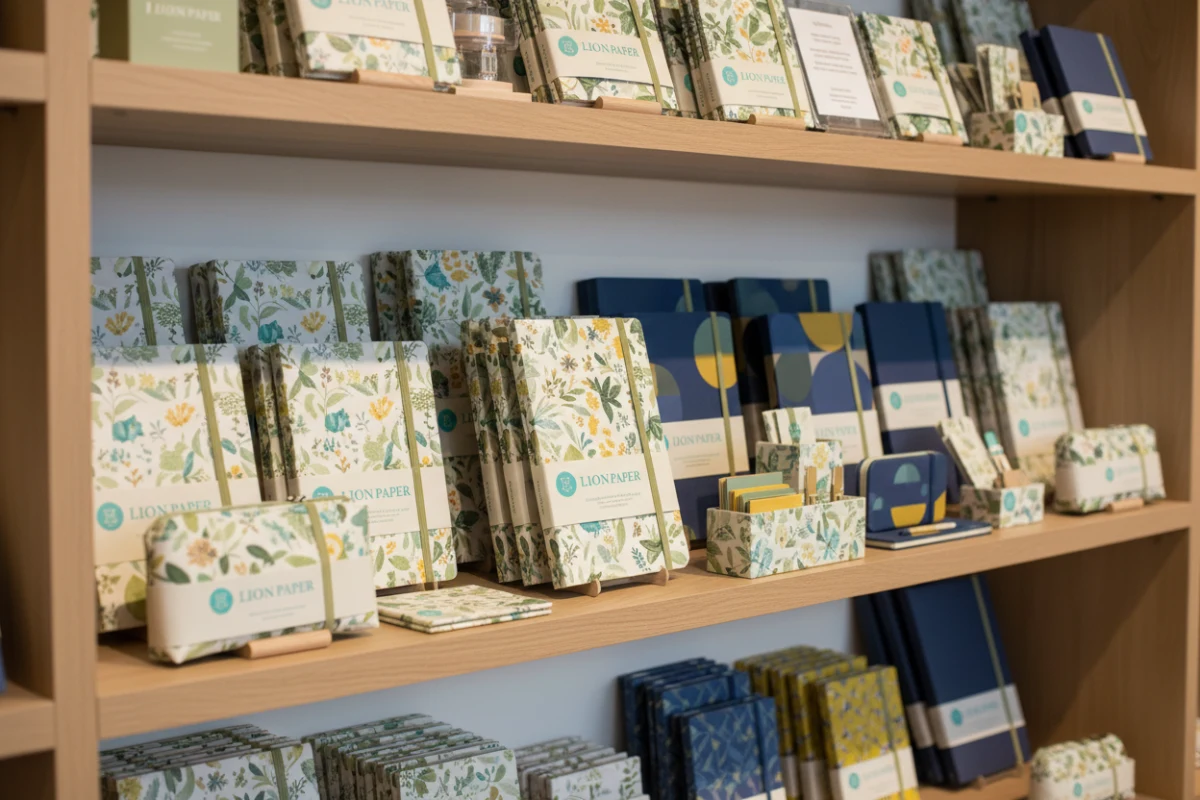
At the core of any successful themed range lies a meticulously planned visual identity, with the color palette serving as the primary connective tissue. When consumers scan a retail shelf or browse an e-commerce storefront, their brains process color and pattern long before they analyze the functional features of a product. A unified color palette creates an immediate emotional resonance and a powerful sense of visual order.
For product developers, establishing a strict color hierarchy is essential. This typically involves selecting a dominant primary color, two supporting secondary colors, and an accent hue used for foil stamping, metal hardware, or small details. Maintaining this color consistency across different substrates is one of the greatest challenges in stationery manufacturing. A color that looks vibrant on FSC-certified uncoated paper can look entirely different when printed on a linen cover, dyed onto a polyester zipper pouch, or molded onto plastic tab dividers.
This is where close coordination with an integrated supply-chain partner becomes vital. Achieving color harmony across diverse materials requires standardized ink formulation, rigorous color-matching procedures, and strict quality control protocols during mass production to ensure the visual identity remains untarnished on the retail floor. Developing these cohesive themed stationery sets successfully requires expert cross-material engineering.
Designing the Ultimate Product Mix: Curating Your Stationery Range
To build a highly profitable retail stationery collection, brands must design a balanced product mix that caters to different price points, functional needs, and purchasing behaviors. Rather than developing a random assortment of items, a well-curated collection should be organized into a clear SKU hierarchy:
- The Hero Products: These are the flagship, high-value items that establish the collection's premium positioning and visual identity, such as a high-end, leatherette-wrapped annual planner, a complex multi-subject hardcover journal, or an elegantly packaged gift set. Hero products carry the highest price points and drive the aspirational appeal of the theme.
- Supporting Products: These are mid-priced, highly functional items that complement the hero products. This tier includes spiral-bound meeting notebooks, softcover journals, monthly desk calendars, and functional desktop organizers, catering to consumers who love the aesthetic but prefer different functional layouts.
- Add-on and Impulse Accessories: These are low-barrier, high-margin products that make it easy for consumers to participate in the theme. This category includes washi tapes, decorative sticker sheets, custom bookmarks, memo pads, and small pencil cases. These items are strategically positioned to encourage add-on sales, raising the overall transaction value.
By structuring a collection with this hierarchy, retailers ensure there is an entry-level product for casual buyers and a comprehensive set for dedicated brand enthusiasts, maximizing market reach without diluting the collection's core concept.
Capitalizing on Seasonal Stationery Products: High-Margin Opportunities
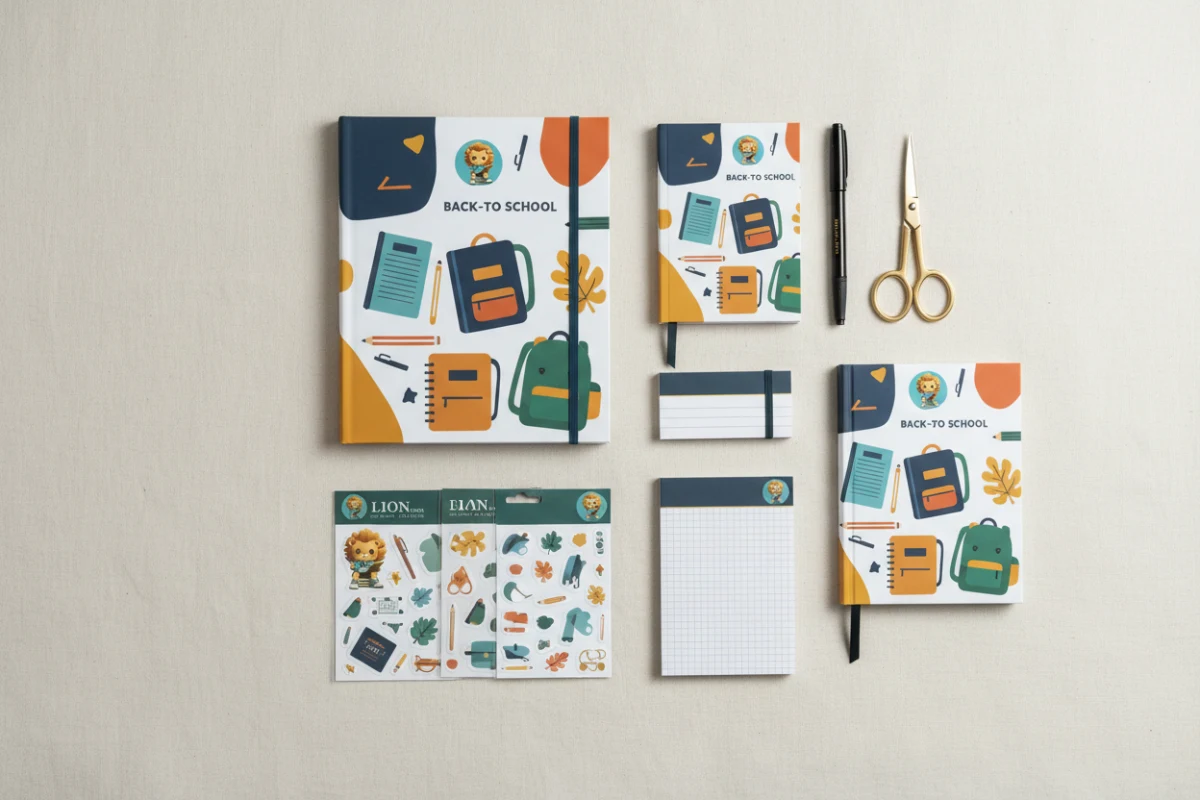
Seasonality plays a critical role in the global stationery market. Retailers have long relied on key annual events to drive revenue, with the "Back-to-School" (BTS) season, the mid-year academic transition, and the end-of-year holiday planning surge serving as major sales drivers. However, modern brands are moving beyond basic seasonal stocking and are instead leveraging highly targeted seasonal stationery products to create excitement and urgency.
By launching limited-edition, seasonal collections, brands can capitalize on consumer psychology. A spring-themed pastel floral collection or an autumn-themed dark academic series feels immediate and exclusive. Because these collections are explicitly tied to a specific time of year, they encourage immediate purchasing decisions.
| Seasonal Target | Core Product Focus | Key Aesthetic Themes | Target Demographic |
|---|---|---|---|
| New Year Planning (Q4/Q1) | Annual Planners, Goal Journals, Desk Calendars, Habit Trackers | Minimalist, Metallic Accents, Professional, Goal-Oriented | Working Professionals, Productivity Enthusiasts |
| Spring/Summer Launch | Creative Notebooks, Travel Journals, Sketchbooks, Decorative Stickers | Bright Florals, Botanical Illustrations, Pastel Palettes | Creative Journalers, Gen Z, Lifestyle Consumers |
| Back-to-School (Q3) | Multi-subject Notebooks, Filing Folders, Pencil Cases, Sticky Tabs | Bold Geometric Patterns, Retro College, Vibrant Colors | Students, Teachers, Academic Parents |
| Holiday Gifting (Q4) | Premium Gift Sets, Hardcover Co-branded Journals, Elegant Gift Wrapping | Deep Jewel Tones, Gold/Silver Foil Stamping, Classic Motifs | Gift Buyers, Corporate Clients, Holiday Shoppers |
Using seasonal themes also allows retailers to manage inventory cycles more effectively. Rather than keeping permanent stock that risks becoming stale on shelves, brands can plan defined, high-margin, short-run seasonal collections that sell out completely, clearing space for the next seasonal transition.
Maximizing Retail Shelf Impact and Visual Merchandising
In physical brick-and-mortar stores, the visual presentation of products is directly linked to sales conversion. A single, isolated notebook can easily get lost in a sea of competing paper goods. However, a fully realized collection creates what visual merchandisers refer to as a "billboard effect" on the retail shelf.
When a retailer dedicates an entire shelf, endcap, or standalone display table to a single cohesive theme, the grouped products create a powerful, unified block of color, imagery, and style. This visual impact instantly captures the attention of passing shoppers, drawing them toward the display. The shelf setup tells a story: it shows the consumer exactly how the notebook, the planner, the pen case, and the sticky notes fit together on a real desk.
Furthermore, visual merchandising of themed collections naturally facilitates cross-selling. A consumer who enters the store with the sole intention of buying a planner is presented with a matching canvas organizer bag and coordinate sticker tabs placed directly alongside it. The visual harmony makes the collection feel incomplete if only one item is purchased. By displaying these matching items together, retailers dramatically lower the cognitive friction of buying multiple items, leading to higher impulse purchases and optimized sales per square foot of retail space.
Enhancing Giftability Through Innovative Packaging Design
One of the most significant advantages of shifting to a theme-based product strategy is the natural increase in the "giftability" of the products. Stationery has always been a highly popular gift category for holidays, birthdays, corporate events, and academic milestones. By packaging coordinated items together into beautifully designed, ready-to-gift sets, brands can command premium pricing.
Innovative packaging design serves as an extension of the collection's theme. Rather than relying on standard shrink-wrap or basic plastic bags, premium themed collections utilize cohesive, retail-ready packaging solutions. This includes custom presentation boxes (rigid paper gift boxes featuring matching prints, foil-stamped details, and custom-cut internal compartments to hold a journal, pen, and paper clips securely), coordinated sleeve packaging (paper belly bands and cardboard sleeves that wrap around a notebook-and-pen combination), and eco-friendly packaging (using FSC-certified paper packaging, biodegradable materials, and plastic-free solutions).
When the packaging itself is beautifully designed and aligned with the product theme, the unboxing experience becomes a key selling point. The consumer feels they are purchasing a premium, ready-to-gift product, allowing retailers to enjoy higher retail margins while saving the end-user the time and effort of wrapping the gift themselves.
The Collection Planning Framework: From Sketch to Retail Launch
To successfully bring a cohesive stationery collection to market, retail brands and product developers must follow a structured, multi-disciplinary framework. This systematic process ensures that the initial creative concept is successfully translated into a scalable, high-quality, and cost-effective product range. Here is the operational framework required for collection planning:
+-----------------------+      +-----------------------+      +-----------------------+
| 1. Theme Concept &    | ---> | 2. Product Assortment | ---> | 3. Color & Materials  |
|    Narrative Selection|      |    Mapping (SKU Mix)  |      |    Specification      |
+-----------------------+      +-----------------------+      +-----------------------+
                                                                          |
                                                                          v
+-----------------------+      +-----------------------+      +-----------------------+
| 6. Global Logistics & | <--- | 5. Manufacturing SOPs | <--- | 4. Packaging & Retail |
|    Retail Launch      |      |    & Quality Audits   |      |    Display Engineering|
+-----------------------+      +-----------------------+      +-----------------------+
First, the creative team defines the core narrative, target persona, and emotional undertone of the collection, establishing the visual direction. Next, product developers map out the product range, selecting the exact SKU combination. The design team then defines the color palette using standardized systems like Pantone and specifies materials (such as paper weights, cover textures, and finishes).
Concurrently, packaging engineers design retail-ready packaging and display units (custom PDQ displays), optimizing dimensions for container shipping and retail impact. Before mass production, detailed SOPs are established and physical prototypes are created to verify color consistency and binding quality. Finally, global logistics are coordinated to ensure the entire collection arrives simultaneously, enabling a synchronized launch.
Manufacturing Considerations: Supply Chain Success for Stationery Suites
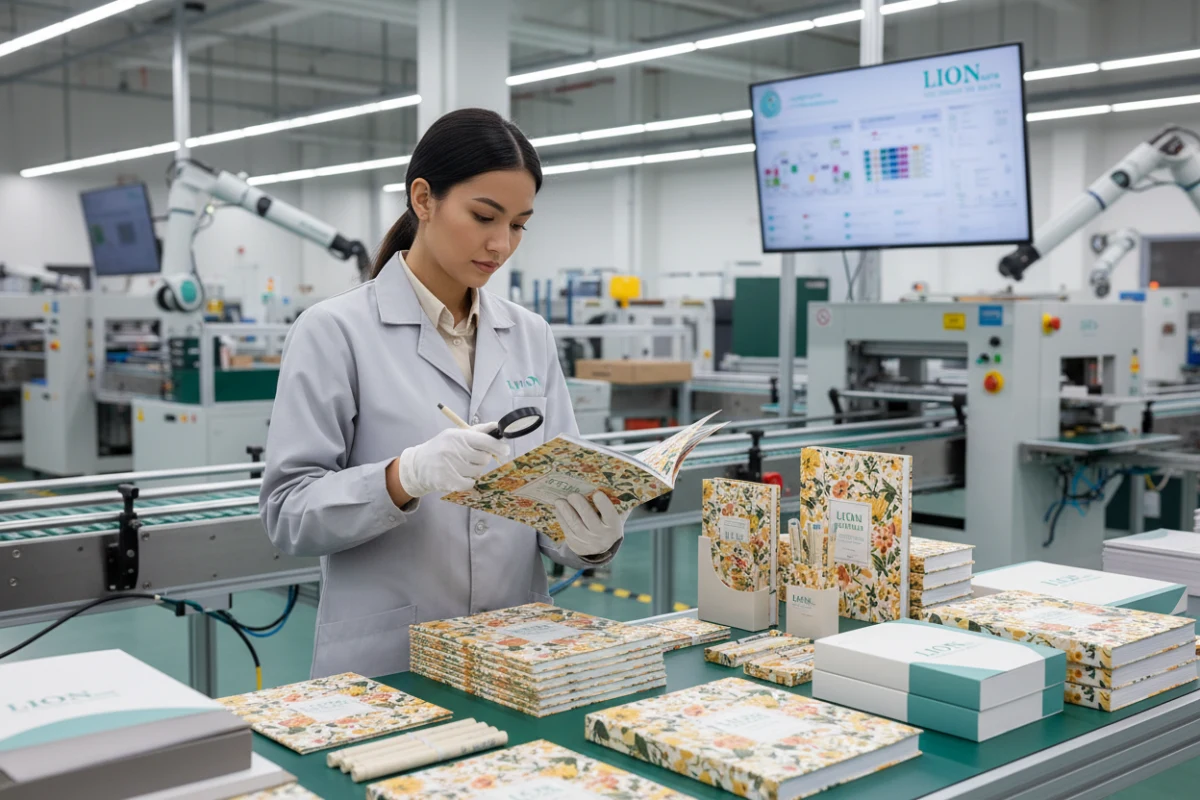
While the commercial benefits of a cohesive stationery range are undeniable, managing the manufacturing of a multi-category product suite is highly complex. Producing a collection requires sourcing, printing, dyeing, and assembling completely different materials—including diverse paper stocks, textiles, plastics, metals, and adhesives. Coordinating this across separate, disconnected manufacturers often leads to color mismatches, inconsistent quality, delayed shipments, and high administrative overhead.
To mitigate these supply chain risks, retail brands are increasingly partnering with integrated, single-source manufacturing partners who can manage the entire lifecycle from design to global delivery. This is where the capabilities of a dedicated supply-chain solution provider like Lion Paper Products (Jiaxing) Co., Ltd. become a critical competitive advantage.
Founded in 2015 in Jiaxing, Zhejiang, Lion Paper has evolved from a traditional paper factory into an integrated supply-chain partner specializing in customized paper goods and creative products. By managing both product design and large-scale manufacturing under a unified system, they help global brands overcome the core challenges of collection development:
- China–Cambodia Dual-Site Synergy: Lion Paper operates a 3,000-square-meter facility in Jiaxing, China, for design, prototyping, rapid sampling, and customer support. High-volume mass production is handled by their 10,000-square-meter facility in Cambodia, providing retail brands with tariff optimization, stable delivery, and cost efficiency.
- Uncompromising Color and Quality Consistency: To ensure cohesive displays, Lion Paper utilizes automated production lines, unified SOPs, and strict quality control. Their annual notebook output exceeds 5 million units under standardized AQL sampling, ensuring color printed on notebooks matches matching organizer folders and gift boxes perfectly.
- Comprehensive Compliance and Sustainability: Lion Paper provides robust support for sustainable development, offering FSC-certified traceable paper, recycled materials, biodegradable packaging, and low-impact inks, backed by ISO 9001, FSC, SMETA, WCA, GSV, FAMA, and CPSIA certifications.
By leveraging an integrated partner's expertise, retail brands can focus on marketing and sales, secure in the knowledge that their entire product suite is being manufactured, assembled, packed, and delivered on-time, on-budget, and to the highest compliance standards.
Whether you are an established high-street retailer looking to refresh your product assortment, an online DTC brand expanding into physical stationery, or a creative brand looking to develop high-margin seasonal drops, shifting to a cohesive, theme-based strategy is the most effective way to elevate your brand presence and drive retail performance. By combining creative design with robust, reliable, and compliant manufacturing capabilities, you can transform simple paper products into a highly sought-after, emotionally resonant lifestyle collection.
Ready to bring your next product line to life? Work with an integrated supply-chain partner who can guide your concept seamlessly from the first sketch to the final shipment. Develop Your Next Stationery Collection With Us